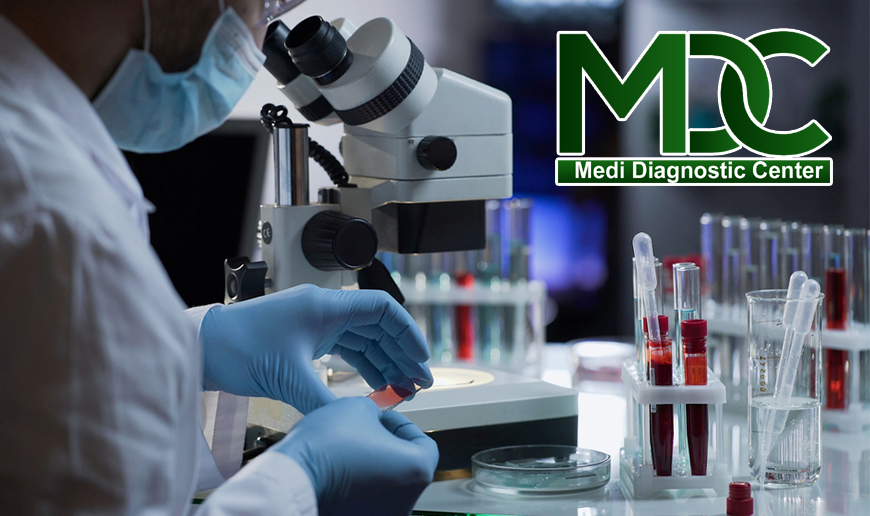
Histopathology is the scientific study and diagnosis of disease through the microscopic examination of tissues and cells. Histopathologists play a vital role in healthcare by providing definitive tissue-based diagnoses that guide clinicians in managing patient treatment and care. To support this, histopathology laboratories offer various specialized services designed to analyze tissue samples and ultimately detect underlying medical conditions.
From precision tissue processing to expert microscopy, we deliver lab reports you can trust. Our advanced histopathology services help clinicians make faster and more accurate diagnoses.
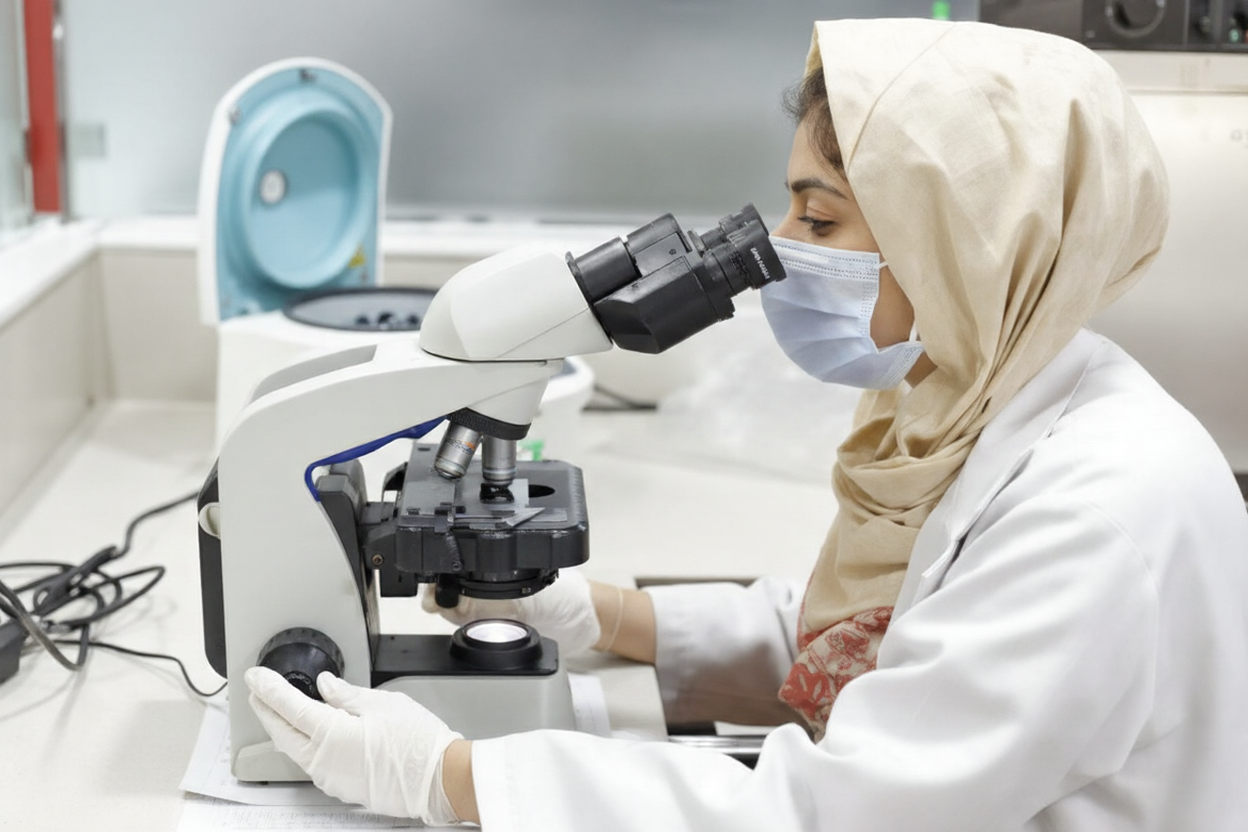
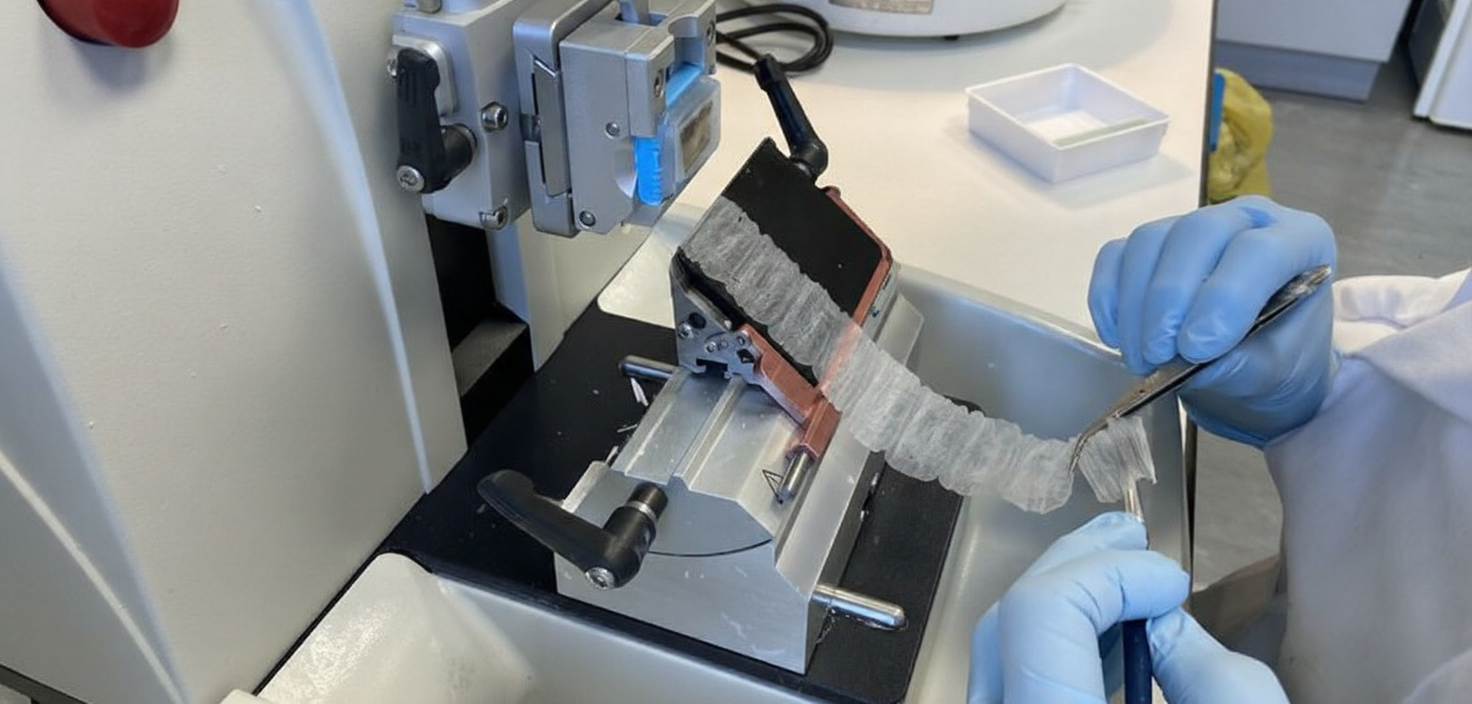
Modern laboratories provide a full range of services, from initial necropsy to advanced histological processing and expert pathologist evaluation. These specialists analyze tissue under microscopes to generate formal reports detailing tissue characteristics, diagnoses, and patient prognoses. Beyond standard microscopic review, pathologists also employ specialized techniques to accurately identify and stage various cancers.
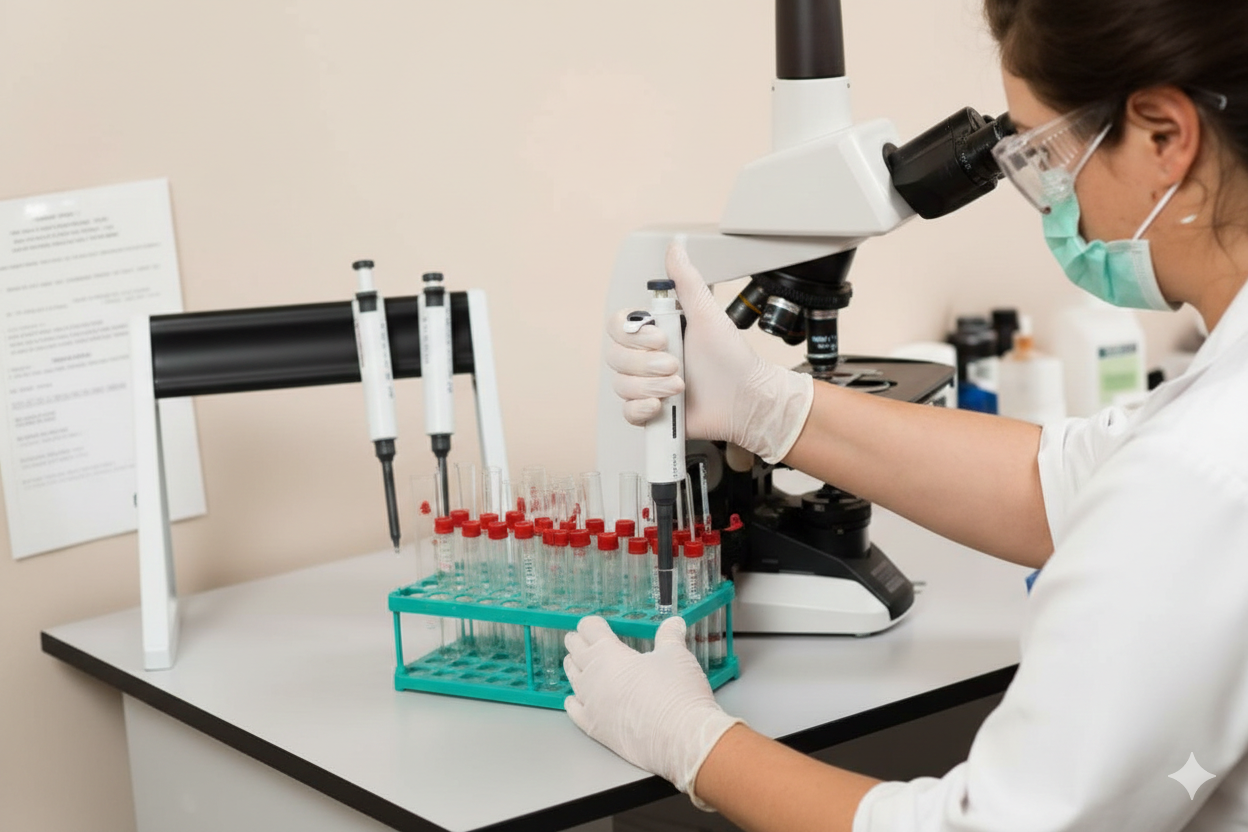
A blood smear examination offers insight into the quantity, shape, and varieties of blood cells as part of a hemogram. It enables the measurement of leukocytes (DIFF), an approximate assessment of platelet numbers, and the detection of structural abnormalities associated with disease. Blood films can demonstrate alterations in red blood cell size and morphology (for example, anisocytosis, poikilocytosis, and macrocytosis) as well as the presence of atypical white cells, such as blasts in leukemia. Observations like rouleaux formation may point to abnormal plasma constituents, such as elevated antibody levels. Flow cytometry, which is applied for immunophenotyping, is vital for identifying and tracking hematological neoplasms by detecting and counting cells tagged with antibodies against specific antigens that reflect cell identity, function, and maturation.
Medi Diagnostic Centre is a modern private healthcare facility committed to delivering accurate, reliable, and timely diagnostic services under one roof.
Don’t miss our future updates! Get Subscribed Today!
©2026. Medidiagnosticcentre. All Rights Reserved.