
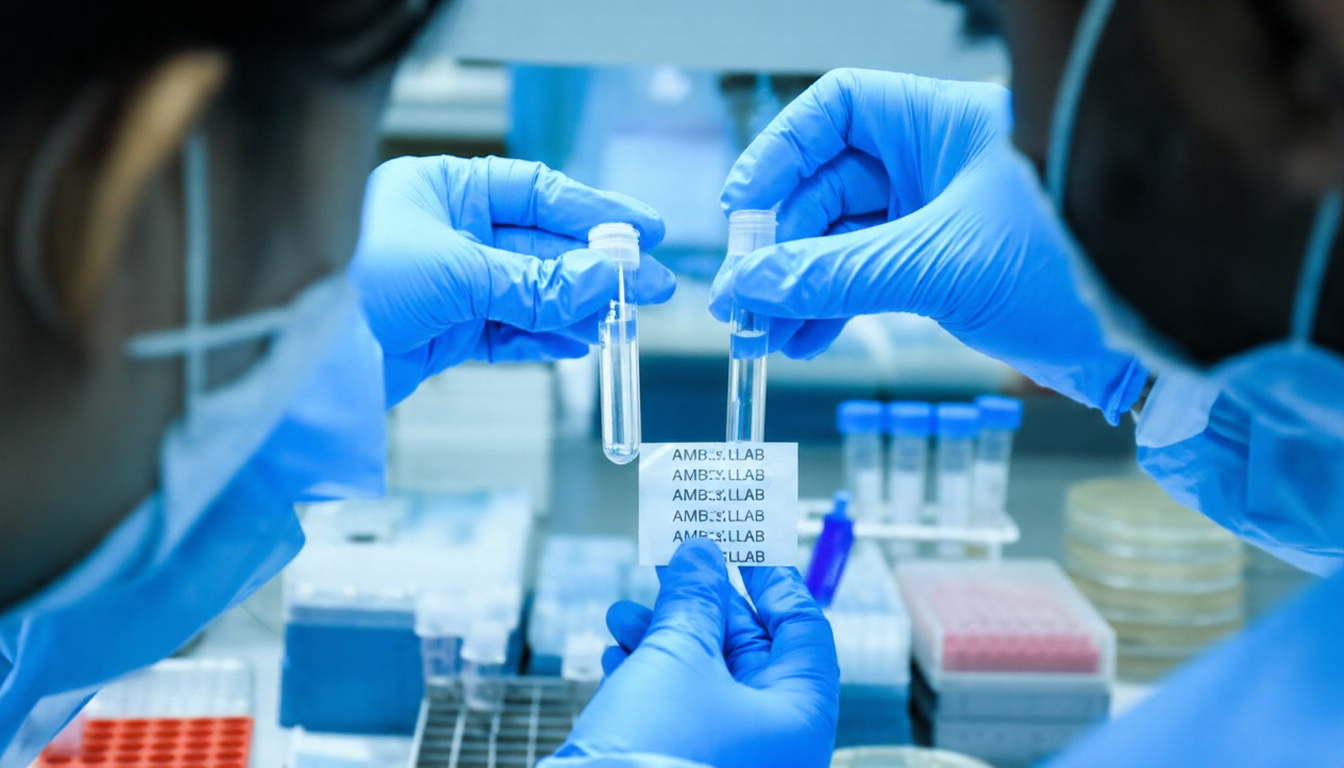

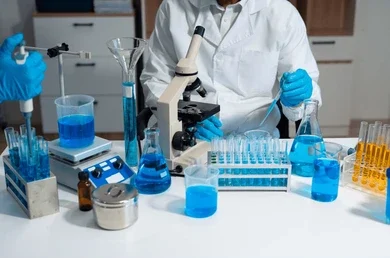
Chemical pathology is the study of the chemical and biochemical processes of the human body in relation to disease, mainly through the examination of body fluids such as blood and urine. In many disease conditions, notable changes occur in the chemical composition of these fluids; for example, increased blood enzyme levels may result from their release from heart muscle following a heart attack, while elevated blood glucose levels in diabetes mellitus occur due to a lack of insulin. Laboratory tests are designed to detect these changes either qualitatively or quantitatively by comparing patient results with those of healthy individuals. Chemical pathology includes general or routine chemistry, which involves commonly requested blood tests such as electrolytes, blood gases, lipid profiles, and liver and kidney function tests; special chemistry, which employs more advanced techniques such as electrophoresis and manual testing methods; and clinical endocrinology, which focuses on the study of hormones and the diagnosis of endocrine disorders.
Chemical pathology investigates bodily diseases by analyzing biochemical changes in fluids like blood and urine. By measuring substances such as glucose, enzymes, or electrolytes and comparing them to healthy ranges, clinicians can diagnose conditions like diabetes or heart damage. This discipline spans routine chemistry for organ function, special chemistry using advanced techniques like electrophoresis, and clinical endocrinology for diagnosing hormonal disorders.
Medi Diagnostic Centre is a modern private healthcare facility committed to delivering accurate, reliable, and timely diagnostic services under one roof.
Don’t miss our future updates! Get Subscribed Today!
©2026. Medidiagnosticcentre. All Rights Reserved.