
Immunology
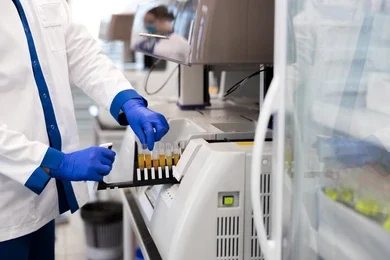
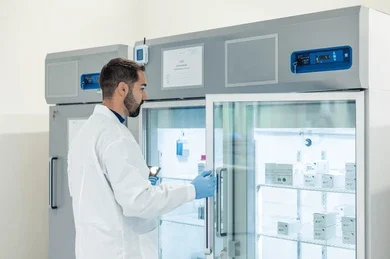
Immunology & Serology Laboratory
Here is a reimagined take on that information, shifting the focus toward the microscopic battleground of the body and the mechanics of medical intervention: Imagine a biological surveillance system that tirelessly scans for microscopic intruders, fueled by a clear, liquid medium that reveals the body's secret defenses. These specialized scientific fields investigate how certain proteins act as precision-guided identifiers, marking targets for destruction while also uncovering the glitches where the system mistakenly sabotages its own host. Beyond internal defense, this work is the gatekeeper for surgical integration, meticulously vetting the biological "passwords" required for one person's cells to coexist within another's body. By deciphering these liquid signatures, researchers can distinguish between a robust chemical shield and a dangerous structural failure.
Quality You Deserve

The Molecular Battlefield
Inside the clear theater of the serum, the body’s defense strategy relies on antigen-antibody complexes. Think of antigens as unique biological “fingerprints” on the surface of bacteria or viruses. When the immune system detects an unfamiliar fingerprint, it manufactures a custom “glove” (the antibody) designed to fit it perfectly. Once these two lock together, they send a chemical flare that signals the rest of the immune army to converge on the site.

When the Shield Cracks
The study of these systems isn’t just about victory; it’s about calibration. In an autoimmune scenario, the system loses its ability to distinguish between “self” and “non-self,” essentially launching a friendly-fire mission against healthy organs. Conversely, immunodeficiency is like a security team that has gone on strike, leaving the gates wide open to even the weakest opportunistic invaders
The Science of Acceptance
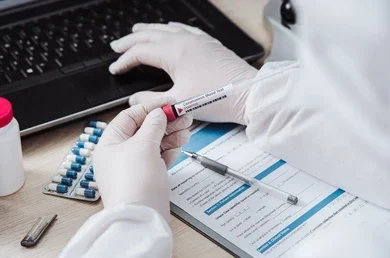
In the realm of transplantation, serology acts as the ultimate vetting process. Beyond basic blood types, labs perform “cross-matching” to see if a recipient’s serum contains pre-existing weapons (antibodies) against a donor’s tissue. This high-stakes compatibility check ensures that the new organ isn’t treated like a viral intruder, but rather like a long-lost piece of the host’s own architecture